
Nigel Farage stepped down from a helicopter as the sun set over the Chelmsford City Racecourse in Essex. Dressed in a blue suit, a multicolored tie, and a British flag pin on his lapel, he prepared to lift a champagne glass and make a toast.
The southeastern English county had just fallen into the hands of Reform UK, one of several local councils that changed party allegiance in the municipal elections announced earlier that day. “There will be music, there will be drinks,” Farage promised from the podium, while listing all the seats Reform had won and attacking his opponents. “We are the party of fun.”
As he stepped off the stage to join a crowd dancing to “Mr. Blue Sky,” a late-1970s hit, the self-proclaimed bon vivant smoked a cigarette and had already replaced champagne with red wine. He told Bloomberg that gilt markets (UK government bonds) had reacted positively that Friday to the party’s victory and to his “recipes” for the country’s problems.
The problem is that few people actually know what those policies are. Farage did not take long to discard central points from the manifesto that propelled him, along with a handful of Reform MPs, to power. And, besides telling Bloomberg in Davos earlier this year that he wanted to topple “every dogma” of the British economic model, the details remain open.
The 62-year-old “Brexiteer” became known early in his career for working as a metals trader and taking clients to booze-filled lunches. Now, courting wealthy donors, Farage has gained a new base of power and the chance to write, essentially from scratch, the party’s agenda. The challenge is to rein in the fun and confront the seriousness of the moment — a task acknowledged even within the party itself.
“We’ve now managed to get our foot in the door,” says Darren Dennis, owner of a health and safety consultancy who attended the Chelmsford rally after winning the election for the Grays Riverside district in Thurrock on behalf of Reform. “We have two or three years to deliver results before the general election. If we don’t deliver, it’s over.”
Reform first tasted power after taking control of nine local councils in last year’s municipal elections, and some of its representatives reported difficulties dealing with the realities of managing waste collection and social care budgets. Now, the party has won 14 more councils.
Farage’s new success — converting poll support into votes on Thursday’s election, finishing first in England and securing seats in Scotland’s and Wales’ parliaments — gives him a real chance to consolidate the party’s brand: nationalist, anti-EU and skeptical about immigration.
Opportunity appears even greater in light of the disarray that emerged after the May 7 vote. A group of Keir Starmer’s MPs has warned the prime minister that he is “on notice.” More broadly, the collapse of support for the governing Labour Party and the main opposition, the Conservative Party, has weakened the traditional two-party dominance and fragmented the political landscape.
It is a devastated terrain in which Farage, an ally of Donald Trump, has already shown an ability to navigate through years of high political volatility in the United Kingdom. But that will also demand more from him: with more representation comes more scrutiny and responsibility, making it harder to maintain the anti-establishment insurgent persona — and ignore controversies such as the revelation of a £5 million donation from a cryptocurrency investor.
Farage will be pressured to take positions on topics he has so far avoided for convenience. Showing who he really is could be the most difficult challenge.
It’s a new reality that even he seems to acknowledge. Farage reminded Reform’s new cohort of councillors of the weight of responsibility, since “people have placed faith and trust in you” at a moment when public trust in authorities has never been lower.
Throughout his career in the City of London and in politics, Farage has always bet on building trust — first among clients and then among voters, fellow politicians, and donors. But the version of Farage that each of these groups knows is quite different.
A portion of Reform’s voters is drawn to the “you know, people like us” character: a blusterer, beer in hand, straight talk. To those he favors, Farage is affable. Several people close to him in recent decades speak of an almost impressive ability to adapt to the environment.
This chameleon quality appears, for example, in how he leveraged proximity to Trump until the relationship became politically toxic at home. Farage moved from a speech praising friendship with the former American president to nearly not mentioning it anymore.
In small social gatherings, Farage tends to appear with a gin and tonic in hand, leading the circle, and takes any opportunity to smoke a cigarette. Depending on the audience, the conversation can range from barroom talk to historical analysis. He speaks in an almost paternal way about younger aides who have stood by him for years and, away from the cameras, seems at once irreverent and reflective.
But the aggressive style at press conferences led close associates to warn him to control his temper, fearing he would come across as grumpy and not presidential. Others describe him as vindictive, sensitive to criticism, and explosive when questioned.
While trying to show that Reform can convert local gains into success in a general election scheduled for 2029, some supporters — and more vocal critics — are beginning to wonder whether Farage truly has the ability to turn the populist rebellion, which speaks to a disillusioned electorate, into a force capable of governing the country.
For that, he can count on old contacts from the days when he worked as a metals trader.
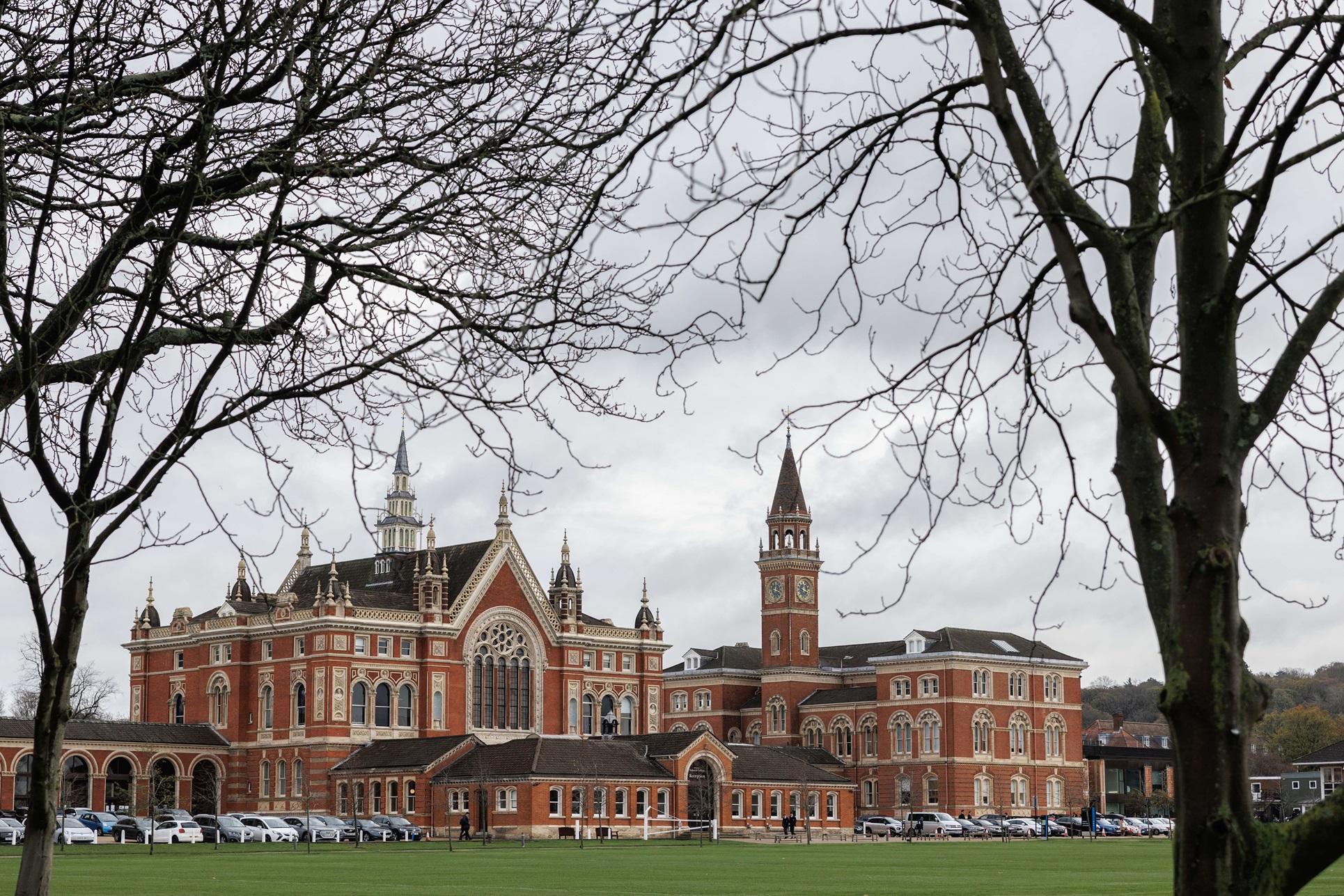
Farage left the private Dulwich College in London at 18 and forwent university to follow his father into the City. It was there that he met David Lilley, now director of the asset manager Drakewood Capital Management, and Mark Thompson, of Tamar Minerals. The two helped create, in the past year, two think tanks aimed at influencing Reform’s policies and those of other right-wing parties.
Farage says he entered politics driven by a disdain for the European Union — especially the UK’s failed attempt to link the pound to the German mark in the European Exchange Rate Mechanism in 1990.
That moment crystallized a skepticism toward Europe that, he says, had been building since the early 1980s. In an interview with Bloomberg this year, he recalled:
“When I answered the phone at the metal desk, it could be Paris or Frankfurt, but more likely Singapore or Santiago. And I thought: we’re in London, in the 1980s, all the banks in the world want to come here. We’re a global trading hub. Europe accounts for less than a fifth of the external business we do — why are we tying ourselves to a European single market?”
On the night the United Kingdom joined the exchange rate mechanism, Farage recalls spending the entire night complaining in the bar after work. He became increasingly political as the Maastricht Treaty was signed in 1991, opening the door to greater integration and to the euro.
Seeing the Conservative government of John Major back the treaty, Farage concluded that “they are a waste of time” and helped to found UKIP.
Back then, politics was a hobby. Today, it’s a business.
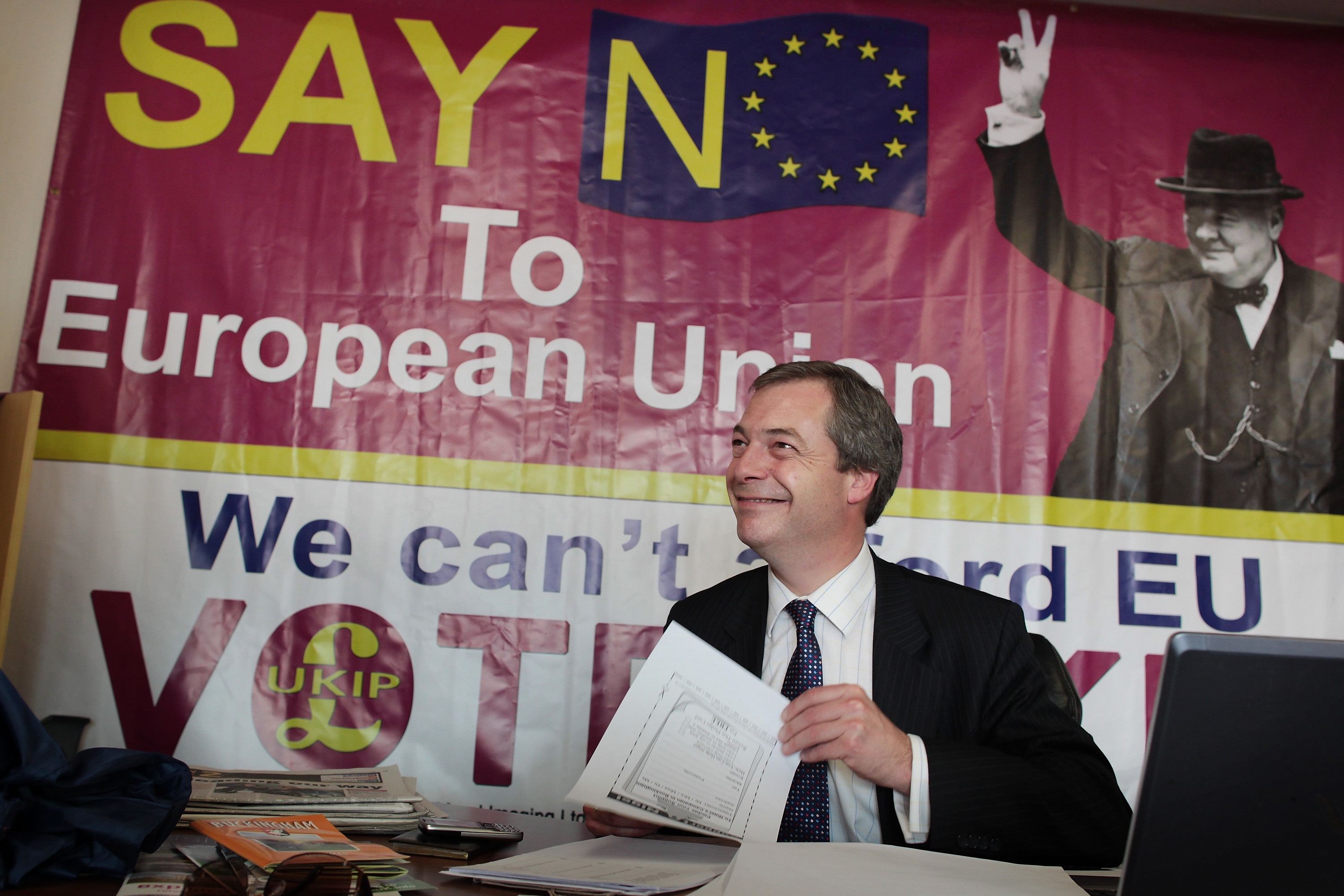
Farage sleeps only about five hours a night, a habit he has maintained since adolescence, and that frees up more time to work — while money flows.
The Guardian newspaper revealed that Christopher Harborne, a British cryptocurrency investor based in Thailand, gave £5 million directly to Farage, in addition to record donations to the party.
Farage tries to minimize accusations that the amount should have been registered as a political donation. “I cannot be intimidated, I cannot be bought. I know what I think,” he said. He also stated that Elon Musk, owner of the X platform, “tried to push me toward certain positions” when considering donating money to British politics, but that he resisted the pressures.
While most politicians of his calibre feel pressed to unify their various personas into one, backed by a consistent policy platform, Farage may be an exception, according to Rob Ford, a politics professor at the University of Manchester. Electoral results show that he remains, for the most part, immune to criticism over donations or scandals involving the party’s members’ offensive statements, says the academic.
“If people think the political establishment is corrupt, pointing to an insurgent and saying that he is corrupt does not work so well,” says Ford.
Since he led the Brexit campaign in the 2016 referendum, reducing immigration has remained a priority for Farage. It was around this axis that he co-founded the Brexit Party in 2018, rebranded as Reform UK a little over two years later, when he left UKIP.
Local election results show that this banner still resonates with voters. Regions that voted for leaving the EU were significantly more likely to support Reform than areas that voted Remain.
But success has also brought obstacles. According to people close to him, Farage is more interested in big slogans than details of public policy. Previously criticized as a “one-man band,” he appointed spokespeople for areas such as Home Office, Education, Treasury, Business and Energy.
One person who has worked with Farage says he deliberately kept the party with a “blank book,” happy to let it mean different things to different people, as long as it translated into more votes.
Still, treating Reform’s program as full of holes — and thus doomed to fail — is “dangerous complacency,” says Ford.
“If people think the government isn’t working, do they care?” asks the professor.
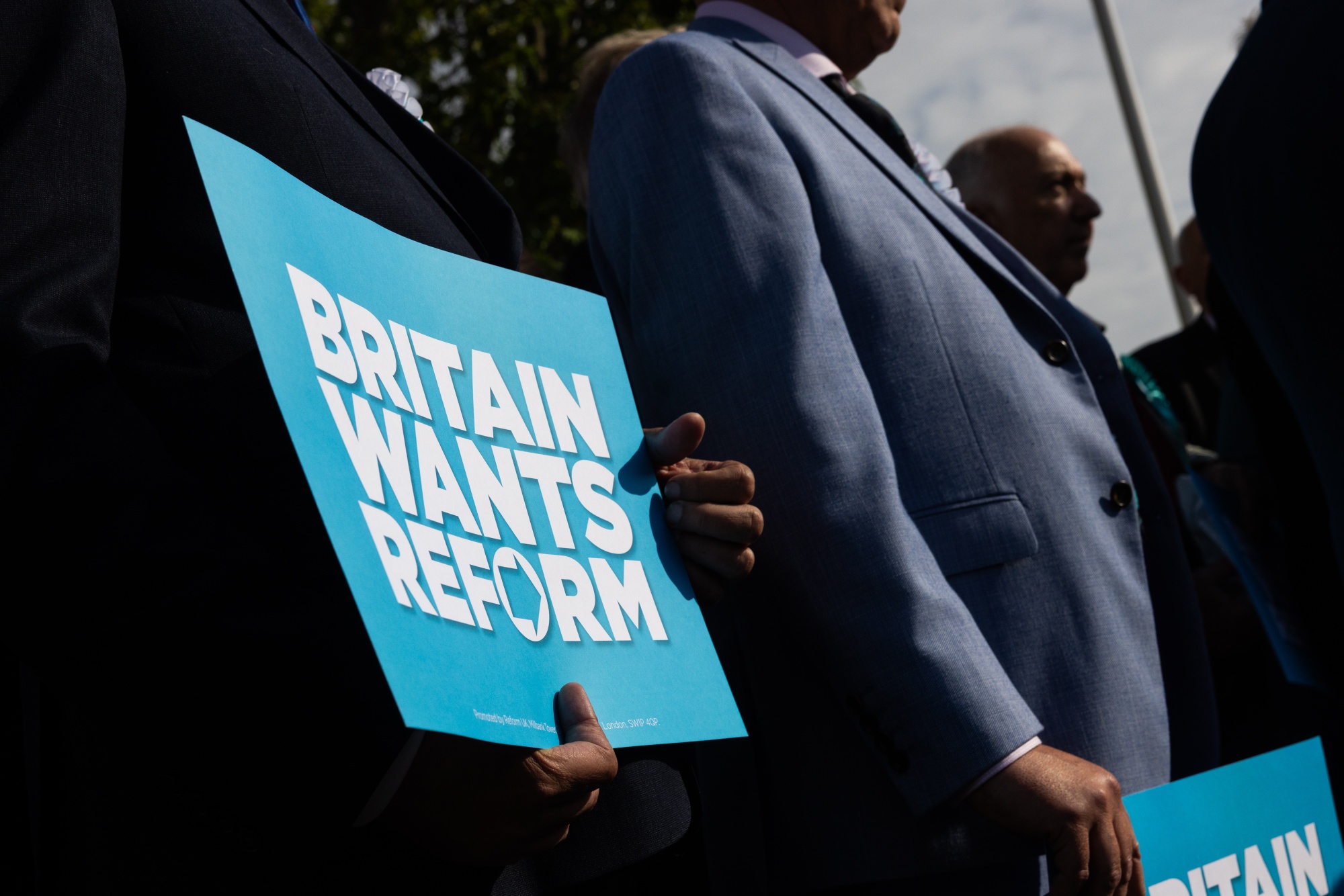
There have been some public breakups suggesting internal tensions. Farage no longer speaks with Rupert Lowe, a former party MP who was expelled after bullying accusations, which he denies. Shortly before, Ben Habib, former Reform deputy leader, left the party after a bitter split in which he accused Farage of lacking a political philosophy.
Some former allies have begun to doubt him. Shaun Wilkinson, a former head of a Reform local committee, said he left the party after concluding that Farage was not living up to the promise to push for an investigation into UK sexual exploitation gangs. The Reform spokesperson retorts that Farage has spoken on the issue since 2012 and helped force the government to open an inquiry.
Yet the criticisms did little to dampen Farage’s mood after Reform’s local election performance.
Assuredly “history buff,” he cites World War I as the period that most fascinates him, for its social consequences. For him, it is “the turning point between the old and the new world.”
In the early hours of Friday, on the 23rd floor of Reform’s headquarters at Millbank Tower in London, after watching with his MPs and the former UKIP financier Arron Banks the stack of party victories, Farage announced a “historic shift in British politics.”
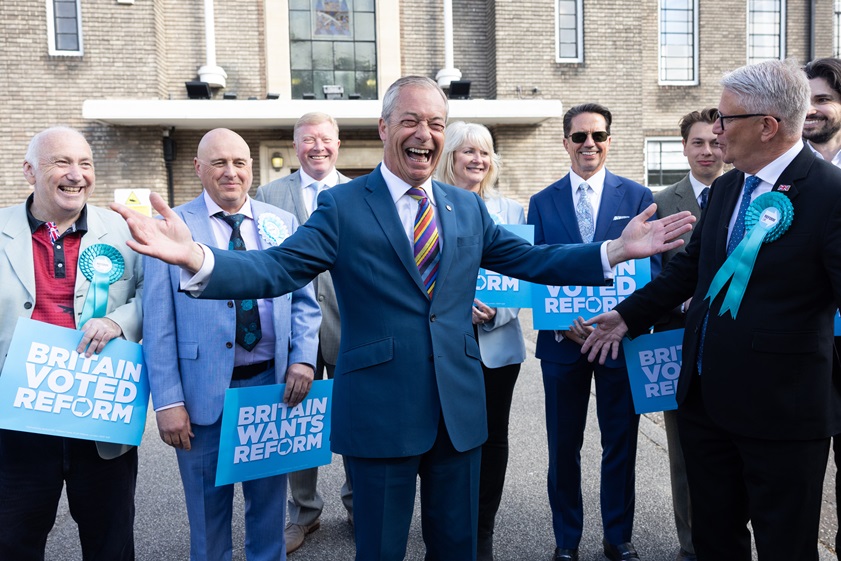
The party has already achieved important local victories, but it remains unclear how this will translate nationally. Farage’s figure clearly does not please everyone: his net popularity rating sits below that of Zack Polanski, leader of the Green Party, and Kemi Badenoch, leader of the Conservatives, according to a YouGov poll.
He himself concedes that, at some point, “someone younger and more handsome” will appear to take charge.
“But for now,” he says, “it’s me.”
© 2026 Bloomberg L.P.
