
The day when the conflict involving Iran, the United States, Israel, and Lebanon completed seven weeks also marked the full reopening of the Strait of Hormuz for commercial ships. The measure is a consequence of the ceasefire in Lebanon and signals progress in peace negotiations.
On Friday (the 17th), the President of the United States, Donald Trump, confirmed the unblocking of the passage. He, however, stated that the American military blockade will continue until the conflict is completely ended.
Even so, oil prices plunged about 10% on news of the Strait of Hormuz reopening.

Trump also said that Iran agreed never again to interrupt traffic through the Strait of Hormuz and that the agreement is virtually concluded. “It’s perfect,” he said, downplaying the duration of the war, which has already surpassed what was initially expected.
The American president also commented on the Iranian nuclear program, saying it would be suspended for an indefinite period. On this topic, he told Reuters that enriched uranium could be taken to the United States.
Lebanon and Israel
On the other front of battle, the truce between Israel and Lebanon appears to hold, paving the way for an agreement and also boosting the understanding between the US and Iran.
On Thursday night (the 16th), Iran celebrated the ceasefire and reinforced that it is part of the agreement brokered by Pakistan. Trump spoke of a “historic day” for Lebanon and said Washington had “forbidden” Israel from bombing the neighboring country again.
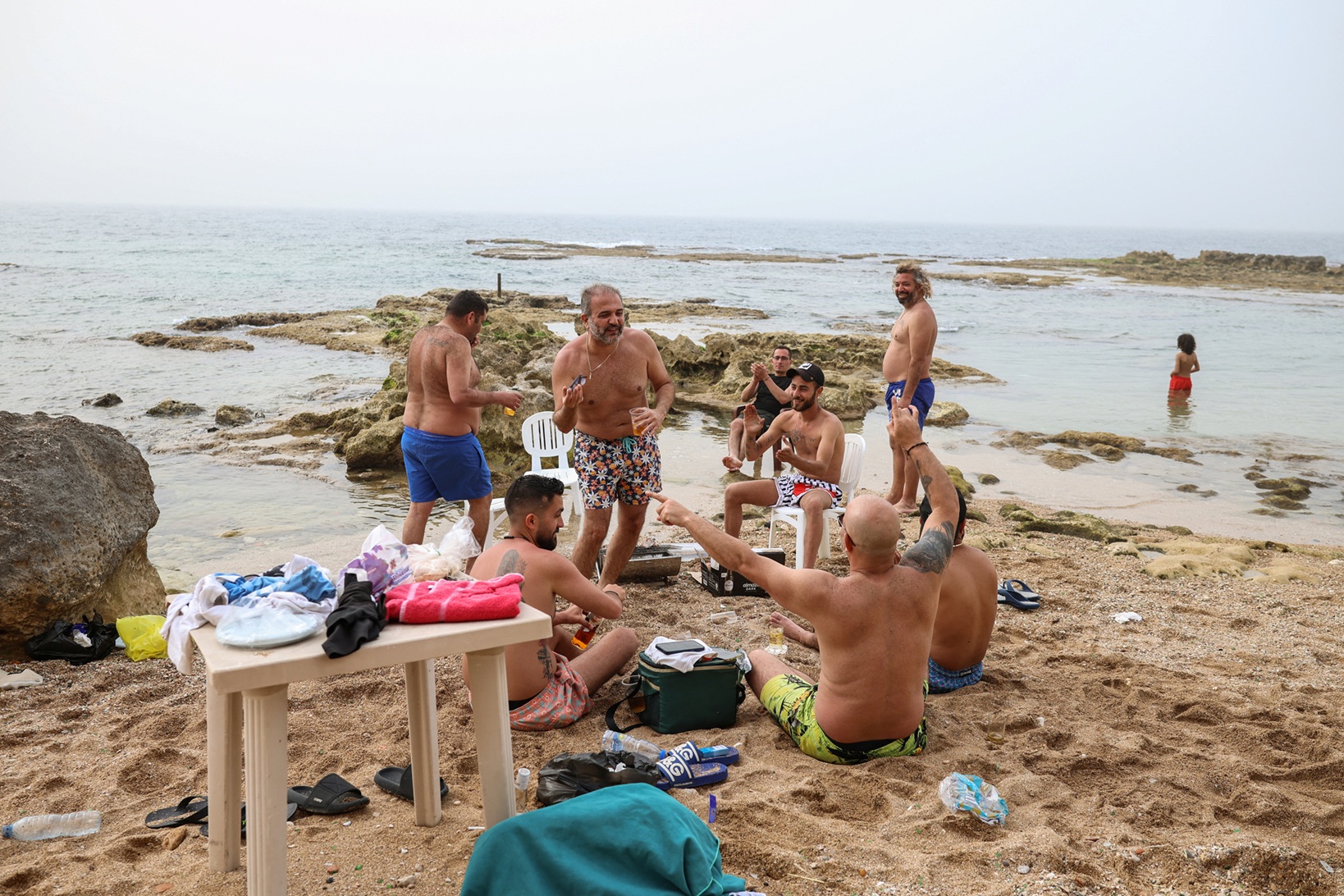
Despite the apparent optimism, the Lebanese Army reported “several” violations of the truce on Thursday morning. Israel’s prime minister, Benjamin Netanyahu, said the country agreed to the ceasefire, but “it is not over yet” with Hezbollah.
On the other hand, the president of Lebanon, Joseph Aoun, ruled out any possibility that the country would accept ceding territory in a future peace agreement. In his televised speech, he did not mention Israel directly, but the country occupies a stretch in southern Lebanon and refuses to leave the territory, even during the truce.
Numbers of the War
- Israel bombed 129 health facilities in Lebanon over 45 days of war. The justification was that the sites housed members of Hezbollah;
- 100 healthcare professionals were killed and 233 were injured in the attacks;
- So far, at least 2,294 people have died in Lebanon as a result of the Israeli attacks, including 177 children;
- Another 7,500 were injured, including 704 children;
- US$ 20 billion is the amount the United States is discussing releasing to Iran in exchange for the country’s stockpile of enriched uranium.
